

ICYMI - OSAB 7-minute briefing: financial abuse and exploitation
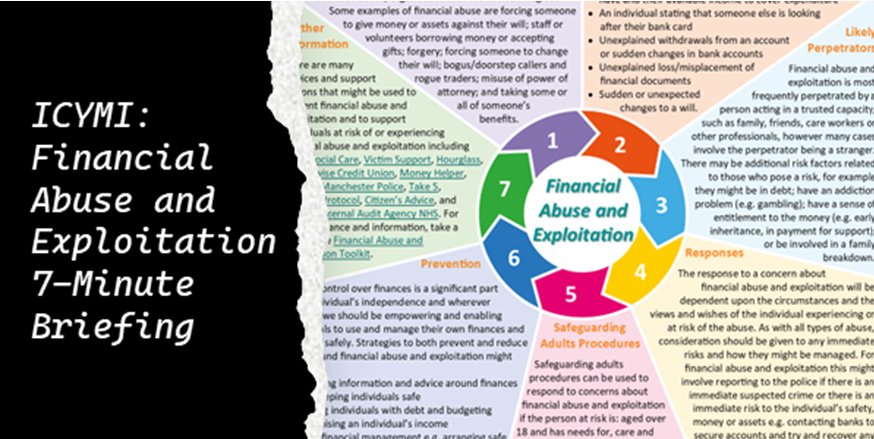
In case you missed it…..Did you know Oldham Safeguarding Adults Board (OSAB) have developed an essential 7-Minute Briefing about financial abuse and exploitation? The briefing focuses on defining, identifying and responding to financial abuse and exploitation; likely perpetrators; the safeguarding adults’ procedures; prevention; and further information about agencies within Oldham and beyond that offer support and advice.
7-Minute Briefings are based on research which suggests that seven minutes is an ideal time span in which to concentrate and learn. Learning for 7 minutes is manageable in most services and often more memorable as it is necessarily brief and not clouded by other issues and pressures. These short, safeguarding snapshots can be a helpful way to support team learning. Please discuss this briefing within your teams, complete the OSAB-7-Minute Briefing Team Discussion Feedback Formto record and evidence how you have used the briefing and send a copy to OSAB.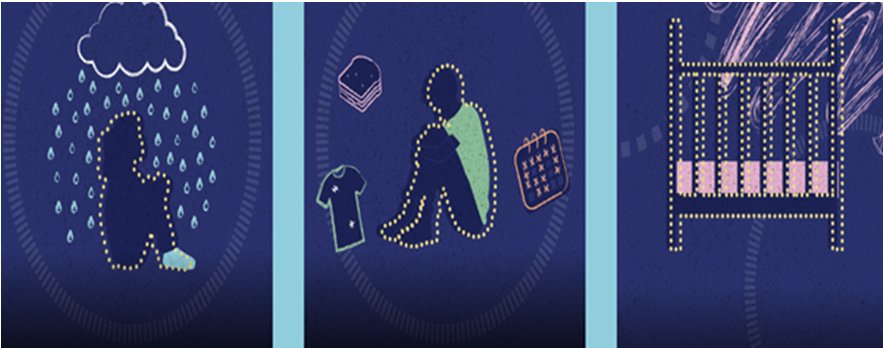 Strengthening safeguarding through national learning
The Child Safeguarding Practice Review National Panel is an independent body established by the UK Government under the Children and Social Work Act 2017. It is responsible for overseeing serious child safeguarding incidents in England where abuse or neglect is known or suspected, and for identifying learning that can improve how agencies work together to protect children.
On 29 April, the National Panel launched its new website and online learning hub bringing learning from safeguarding reviews together in one accessible place. Built with input from practitioners across health, policing, education, social care, youth justice and the voluntary sector, the site is free to access and requires no login.
At launch, the hub includes resources across four priority themes
• Black, Asian and Mixed Heritage children
• Child sexual abuse
• Neglect
• Vulnerable babies
Learning is designed to be practical and easy to use, with content available in a range of formats including briefings, animations, infographics, posters and short films. Further themes, such as children missing education, adolescent self harm and suicide, and online harms, will be added over time
A valuable new national resource to support learning, reflection and stronger safeguarding practice.
Age UK act now, age better campaign
Getting older is a privilege, but one that can have many challenges. While we can’t prevent ageing, we can all take action to help us age in the best way possible.
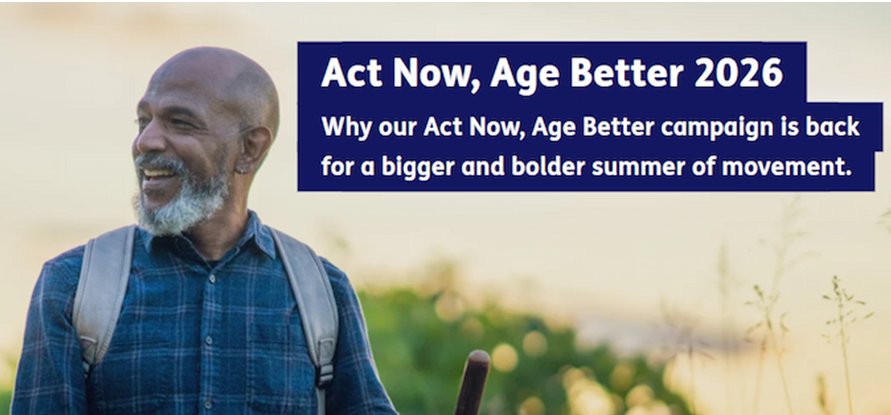
That’s why Age UK has launched Act Now, Age Better. They want to get people thinking, talking, and taking actions that are going to help them in the years to come. But we also know that ageing well is a team sport. So, for the 2026 campaign, they’ve brought the world of sport, physical activity and movement together to help you make your next move towards a stronger and healthier later life.
For more information on how to get involved or stay informed, visit Act Now, Age Better - Age UK
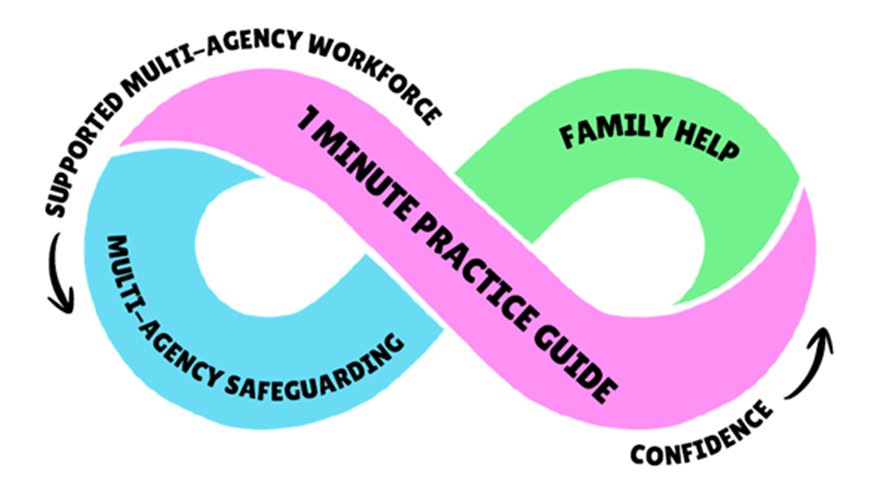
New resources to support practice in responding to child sexual abuse
New resources are available to support safeguarding professionals to identify and respond to child sexual abuse.
Visit the Oldham Safeguarding Children Partnership (OSCP) website to access the resources
These resources are designed to support professional practice and promote consistent, evidence based approaches across services.
They include short, one minute practice briefings. Each briefing focuses on key learning and is intended to help practitioners feel more confident when having conversations about child sexual abuse. The briefings can also support the use of best practice in everyday, multi agency work.
The resources have been co produced with survivors, the Centre of Expertise on Child Sexual Abuse, and the North West Multi Agency Learning and Support Hub. This means they are trauma informed, practical, and based on real world experience.
Safeguarding professionals are encouraged to use these resources as part of routine practice to support professional curiosity and strengthen the collective response to child sexual abuse.
OSAB hoarding awareness 'lunch and learn' training this hoarding awareness week
Hoarding Awareness Week will begin from 11 May 2026, it is a campaign across the political, health and social care communities to raise awareness of the risks associated with hoarding.
Join the OSAB Hoarding Awareness Lunch and Learn Training Session
The course aims to raise awareness of the Responding to Hoarding Guidance and provide learning opportunities to apply them in practice. It will take place at 12:00-13:30 on 14 May 2026, via Microsoft Teams. If you are interested in booking a place, please complete the online booking form. You will then be contacted to discuss availability.
Attend Clouds End CIC Events
Clouds End are also offering free educational seminars throughout Hoarding Awareness week around how to better support individuals. See more details and book your places via the Clouds End website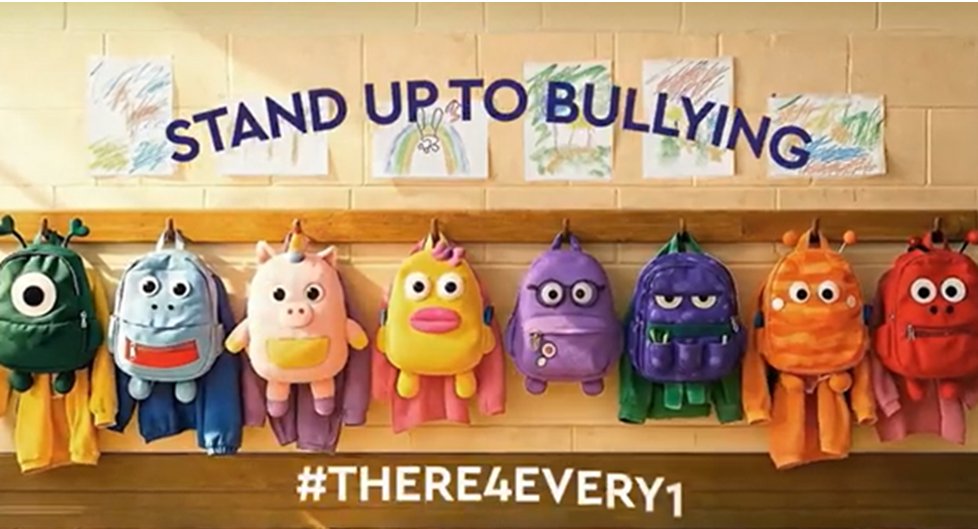
Almost 1 in 4 children experience bullying
As part of its #There4Every1 campaign, the Anti-Bullying Alliance has launched a new animated short film to help younger children understand bullying and feel confident speaking up. The film uses a playful concept - school bags chatting on a peg - to explore how bullying affects everyone: those who experience it, witness it, and even those who bully others.
Aimed at children aged 4–9, the film encourages talking to a trusted adult and is supported by free classroom activities and guidance for parents and carers
Ann Craft Trust safeguarding bulletin
Ann Craft Trust have published their quarterly Safeguarding Bulletin for Spring 2026 bringing us the latest research and news on safeguarding adults and young people at risk. Take a look via the Ann Craft Trust website

Supporting healthy screen time under five
Digital screens are a part of modern life, but finding the right balance between screen time and other activities for young children can be tricky. That’s why Best start in life have produced evidence informed guidance to support parents and carers in shaping healthy screen time habits for little brains.
The updated Baby and toddler screen time guidance - Best Start in Life guidance outlines how parents and carers can support healthy screen time habits for children under 5. It recommends avoiding screens for under 2s, limiting use to around one hour a day for ages 2–5, and prioritising slow paced, age appropriate content. The guidance emphasises shared screen use, creating screen free zones (such as bedrooms and mealtimes), and modelling positive adult screen habits. It also highlights the developmental risks of excessive screen time and advises avoiding social media and AI enabled toys or apps for young children
Practitioners can support parents by sharing simple, non judgemental messages, linking screen use to sleep, play and communication, and encouraging small changes that fit into everyday routines.